Learning to See Transparent Objects
Using Blender Mike Pan helped generate thousands of images to train an AI network that successfully sees transparent objects. Read the full article here.
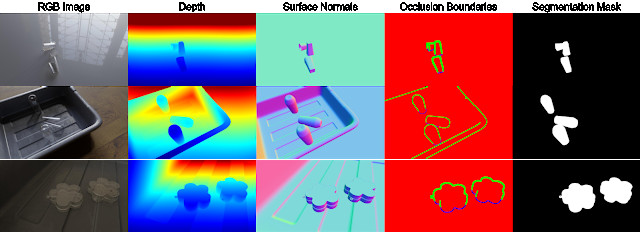
Enabling machines to better sense transparent surfaces would not only improve safety but could also open up a range of new interactions in unstructured applications – from robots handling kitchenware or sorting plastics for recycling, to navigating indoor environments or generating AR visualizations on glass tabletops.